
Inside the academy
Gelangara focuses on a defined business purpose: esports academy and training bootcamp. We separate the offer, preparation and agreement so that visitors can understand the next step. A clear description is more useful than an unsupported promise about results, availability or experience.
Describe the next training block
Share the main learning goal, group size and preferred timing. The coaching scope and any practice-room arrangement require confirmation before attendance. For younger participants, a parent or guardian should handle the enquiry.
A useful practice objective
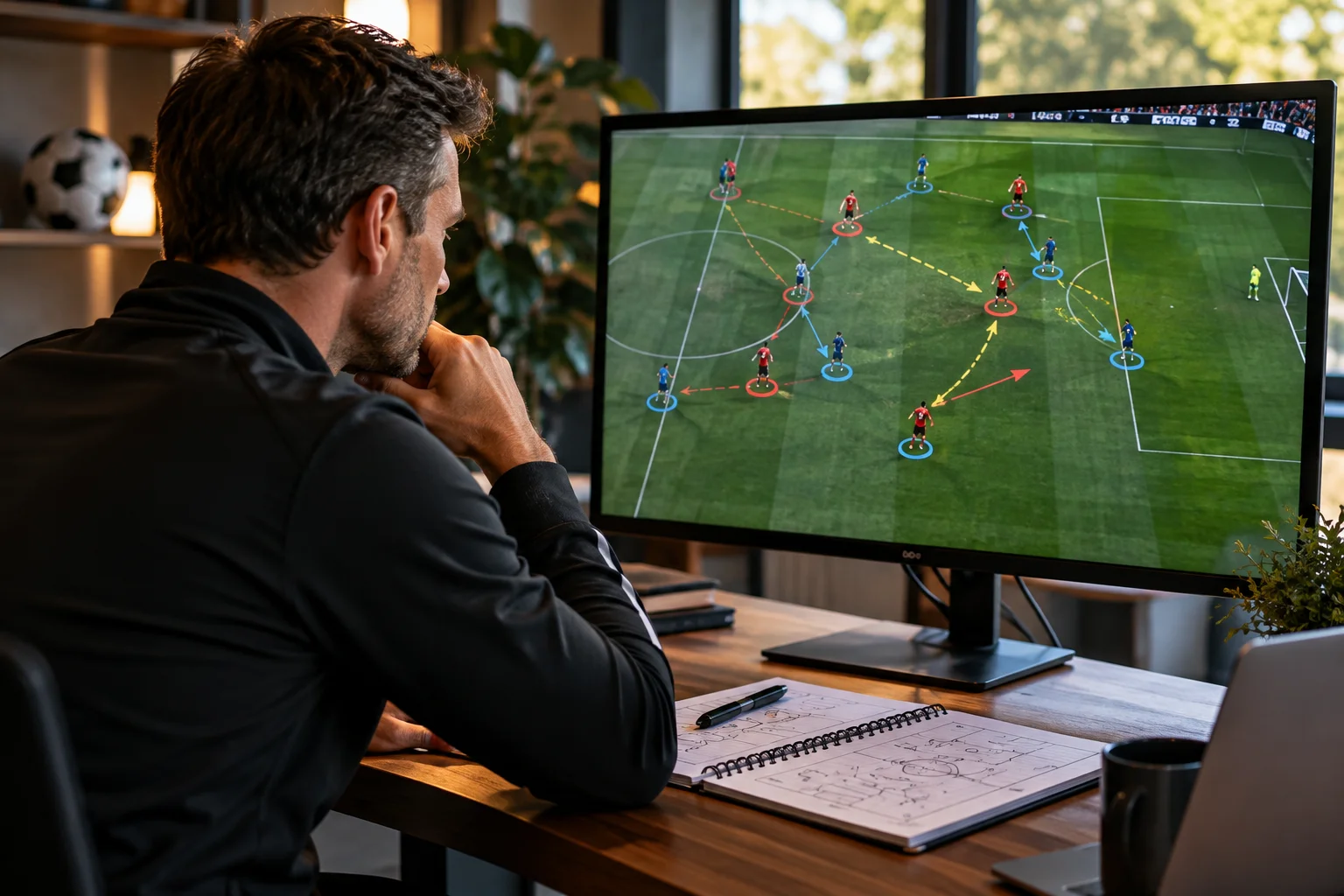
Choose a specific learning objective: communication, decision timing or a repeatable mechanical skill. The current level and team composition help shape an appropriate session brief.
Run the agreed exercises and record the decisions that matter. Reviewing selected moments is more useful than treating a single match result as proof of progress.
An academy model combines prepared exercises, observation and a way to review progress. The roles of player, coach and team contact should be clear before the block starts. A learning plan is most useful when it can adapt to the actual level of participants. Rankings and match results may provide context, but they are not a substitute for a defined training objective.

A practice culture built around feedback
Start with your game, current goals and the situations you find difficult. Session scope and coach availability are agreed before enrolment; a session is not a promise of rank improvement. Equipment, group size and session duration shape the room requirement. Availability and permitted use need confirmation before a visit or a training block.

Observe before changing the exercise
A review is easier to follow when the group agrees what it is observing. Record the situation and intended decision before changing the task. The next exercise can then address a specific question. This keeps discussion connected to practice instead of collecting unrelated comments about the final score.